Llegó el fin de semana y no me
quedó más remedio que hacer mis compras. Decidí variar un poco e ir a uno de
los pocos mercados de ramos generales que al día de la fecha conservan sus
puertas abiertas: El Mercado del Progreso en el barrio de Caballito.
El Mercado del Progreso fue
inaugurado el 9 de Noviembre de 1889, en respuesta a una iniciativa del Presidente
de la Nación de esa época, Miguel Juárez Celman. Desde entonces se ha constituido como una
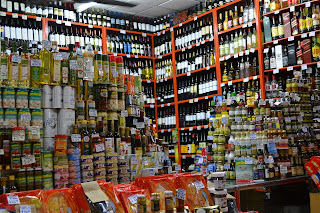
fuente de una variedad inagotable de carnes, pescados, frutas, verduras,
bebidas, especias, productos importados y hasta plantas y flores. Destino
obligado de más de un Chef de la movida culinaria Porteña.
Por suerte las refacciones y
renovaciones edilicias que se le hicieron con el pasar de los años no alteraron
su esencia y su estética. Desde el año 2001 el Mercado se ha declarado como un
sitio de interés cultural por el gobierno de la Ciudad de Buenos Aires. Ha sido
escenario también en obras literarias. Fue el mercado en el cual el
protagonista de “El Juguete Rabioso” de Roberto Arlt vendía papel de diario a
sus comerciantes.
Debo reconocer que el Mercado, si
bien no tiene las mejores ofertas de precios, constituye un espacio de variedad
y de muy buena calidad. Igualmente les dejo a ustedes juzgar eso. ¡Todavía
me queda pendiente una visita al Mercado de San Telmo!
As usual, as the weekend was coming to a close,
I had to do my shopping. I decided to change a bit, and visit one of the few
remaining markets still open: The “Mercado del Progreso” in Caballito.
The “Mercado del Progreso” opened its doors on
the 9th of November 1889, following an initiative from Miguel Juárez
Celman, President of Argentina at the time. Since then it has turned into a
never ending source of meat, fish, fruit, vegetables, drinks, spices, imported
products and even flowers and plants. It’s an unavoidable stop for many Chefs
in Buenos Aires´ gastronomic circuit.
Fortunately I must say that all of the
building´s renewals along the years have not altered its essence. Since the
year 2001it has been declared a site of cultural interest by the local government
of the city of Buenos Aires. The market has also been the setting of a number
of literary icons of Argentine literature. In Roberto Arlt´s “El Juguete
Rabioso”, the main character used to wander through its corridors selling paper
to butchers.
I must say though, that whilst it does not have
the most attractive price offers, it does provide a high quality and a wide
variety of products. I guess you will have to judge that. I still
have the San Telmo Market on my list, but that one is for another time!